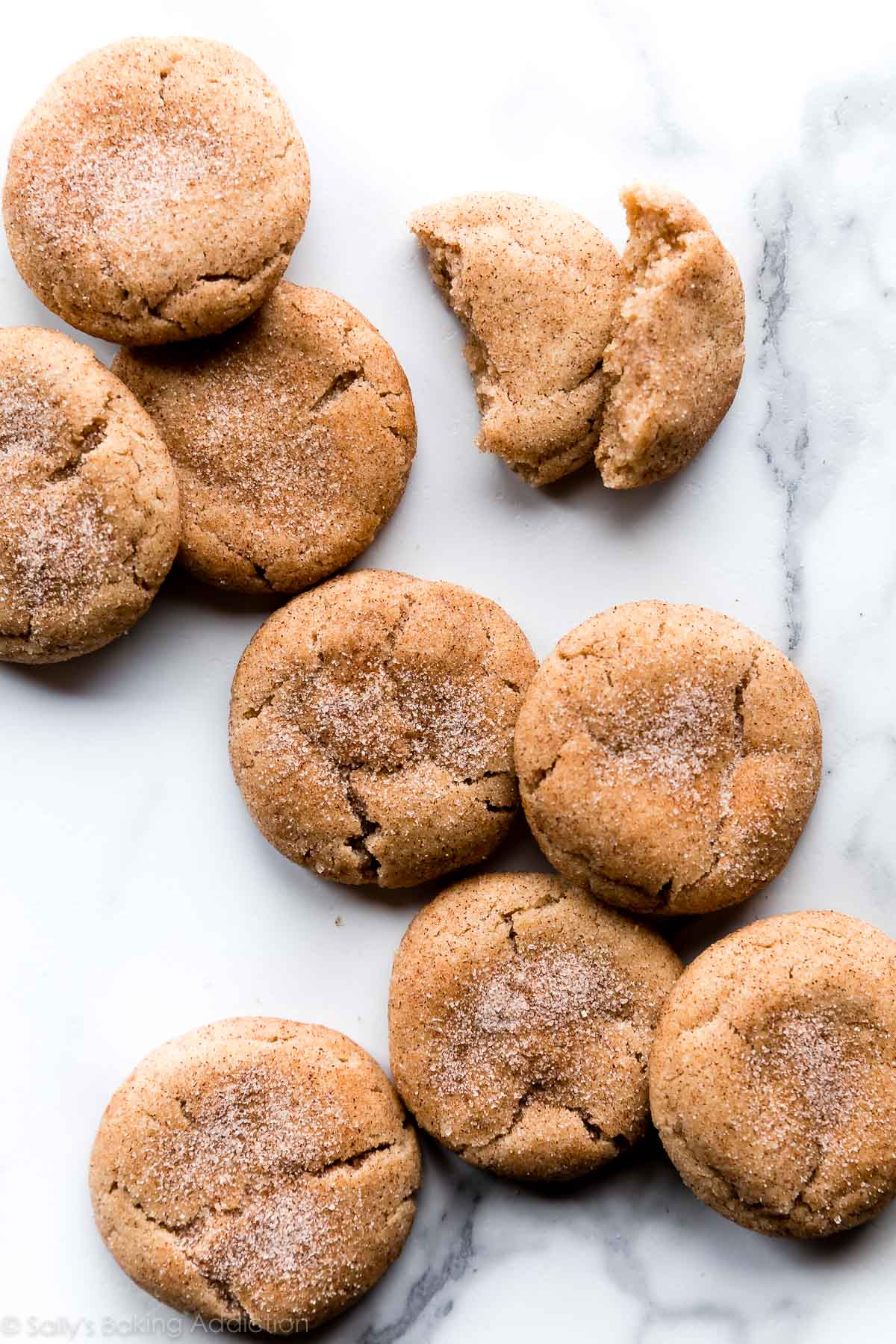
Discover the Secret to Irresistibly Soft & Easy Snickerdoodles (No Cream of Tartar Needed!)
Snickerdoodles hold a special place in the hearts of cookie enthusiasts everywhere. There's an undeniable magic in their simplicity: a tender, buttery base generously coated in a shimmering blanket of cinnamon sugar. Yet, for many home bakers, the thought of whipping up a batch of these beloved treats is often met with a slight hesitation, primarily due to one specific ingredient: cream of tartar. But what if we told you that you could achieve perfectly soft, chewy, and utterly addictive snickerdoodles without ever reaching for that sometimes elusive white powder? Welcome to your new favorite easy snickerdoodle recipe, designed for maximum delight with minimum fuss. For years, snickerdoodles have been celebrated for their unique characteristics, a subtle tanginess, and an incredibly soft texture that distinguishes them from a standard sugar cookie. Traditionally, cream of tartar is the secret weapon behind these signature traits. However, we believe that the true beauty of baking lies in its accessibility. Our goal is to empower you to bake these crowd-pleasing cookies effortlessly, ensuring that a missing ingredient never stands between you and a warm, homemade treat. Get ready to bake a batch of cookies so good, they'll disappear faster than you can say "cinnamon sugar bliss"!The Classic Snickerdoodle: Unpacking the Role of Cream of Tartar
Before we dive into our simplified approach, it's helpful to understand what makes a traditional snickerdoodle tick. At its core, snickerdoodle dough shares a strong resemblance to a classic sugar cookie, featuring familiar ingredients like butter, sugar, eggs, flour, and salt. What sets it apart, historically, is the inclusion of cream of tartar. This acidic, powdery ingredient plays a threefold role in the traditional snickerdoodle recipe:- Signature Tangy Flavor: Cream of tartar contributes the distinctive, slightly acidic taste that snickerdoodle connoisseurs adore. It’s a subtle but crucial element of their unique profile.
- Unparalleled Softness: Beyond flavor, cream of tartar acts as an anti-crystallizing agent. It prevents the sugar in the dough from reforming into hard crystals, which is key to maintaining that signature soft and chewy texture, rather than a crispy one.
- Leavening Power: In traditional recipes, cream of tartar works in tandem with baking soda. The acidity of the cream of tartar activates the baking soda, producing carbon dioxide that helps the cookies rise, resulting in a lighter, airier crumb.
Crafting the Perfect Easy Snickerdoodle Recipe Without Cream of Tartar
The challenge was clear: how to achieve the beloved characteristics of a snickerdoodle – the soft texture, the gentle rise, and the delightful chew – without relying on cream of tartar. The solution came through a few strategic, science-backed adjustments to the standard cookie formula. The primary change involves swapping out baking soda for baking powder.Here's the baking science breakdown:
- Baking Powder to the Rescue: Baking powder is essentially a pre-mixed leavening agent containing both an alkaline component (like baking soda) and an acidic component (like cream of tartar, or similar acids). This means it can activate and leaven the cookies all on its own, eliminating the need for a separate acid source.
- Balancing Act with Ratios: To ensure the cookies remain incredibly soft and maintain their structure even without the anti-crystallization properties of cream of tartar, we carefully tweaked the ratios of sugar, flour, and eggs. This delicate balance helps create a dough that bakes into a consistently tender cookie every time.
The Art of the Dough: Simple Steps to Snickerdoodle Perfection
Our easy snickerdoodle recipe utilizes the classic creaming method, a fundamental technique for many cookies that guarantees a light and fluffy texture. This method is straightforward and satisfying, even for novice bakers.Step-by-Step Dough Preparation:
- Creaming Butter and Sugar: Begin by creaming together softened butter and granulated sugar until the mixture is exceptionally light, pale, and fluffy. This step is crucial for incorporating air into the dough, which contributes to the cookies' final texture. Don't rush this process – it typically takes 3-5 minutes with an electric mixer.
- Incorporating the Egg: Next, beat in the egg until fully combined, ensuring the mixture is smooth and emulsified.
- Adding Dry Ingredients: Gradually add your dry ingredients (flour, baking powder, and salt) to the wet mixture. Mix until just combined. Be careful not to overmix, as this can develop the gluten too much, leading to tougher cookies. The dough will be quite thick and pliable.
- The Cinnamon Sugar Roll: Prepare your cinnamon sugar mixture in a shallow dish. This is where the magic happens! Scoop out dough balls – we recommend about 2-3 tablespoons per cookie for a generous size, but you can adjust to your preference. Roll each ball thoroughly in the cinnamon sugar mixture until completely coated.
- Flatten and Bake: Place the coated dough balls onto a baking sheet, leaving ample space between them. Gently flatten each cookie slightly with the palm of your hand or the bottom of a glass. This helps them spread evenly and bake beautifully. Bake until the edges are lightly golden brown and the centers are still soft and puffy. They may look slightly underdone, but this is the secret to their chewiness after cooling.
Tips for Perfectly Soft & Chewy Snickerdoodles Every Time
Achieving that dreamy soft and chewy snickerdoodle texture is easier than you think, especially with this adapted recipe. Here are some pro tips to ensure your cookies turn out perfectly:- Use Room Temperature Ingredients: Ensure your butter and egg are at room temperature. This allows them to cream together more effectively, creating a smoother emulsion and a more consistent dough texture.
- Don't Overmix: Once you add the flour, mix only until just combined. Overmixing develops gluten, which can lead to tough, dense cookies. A few streaks of flour are better than an overmixed dough.
- Resist Overbaking: This is perhaps the most critical tip for soft cookies. Snickerdoodles should be removed from the oven when their edges are just set and lightly golden, but their centers still look soft and perhaps even a little underdone. They will continue to set as they cool on the baking sheet. Overbaking is the quickest way to dry, crumbly cookies.
- Chill the Dough (Optional, but Recommended): While this is an easy snickerdoodle recipe designed for speed, chilling the dough for 30 minutes to an hour can improve flavor development and reduce spread, resulting in thicker, chewier cookies.
- Double Dip for Extra Flavor: Don't be shy with the cinnamon sugar! For an extra burst of flavor and that beautiful crackly crust, consider rolling your dough balls a second time in the cinnamon sugar just before baking, especially if they've been handled a lot.
- Store Them Right: Once cooled, store your snickerdoodles in an airtight container at room temperature. They tend to stay soft for several days, but honestly, they rarely last that long!
