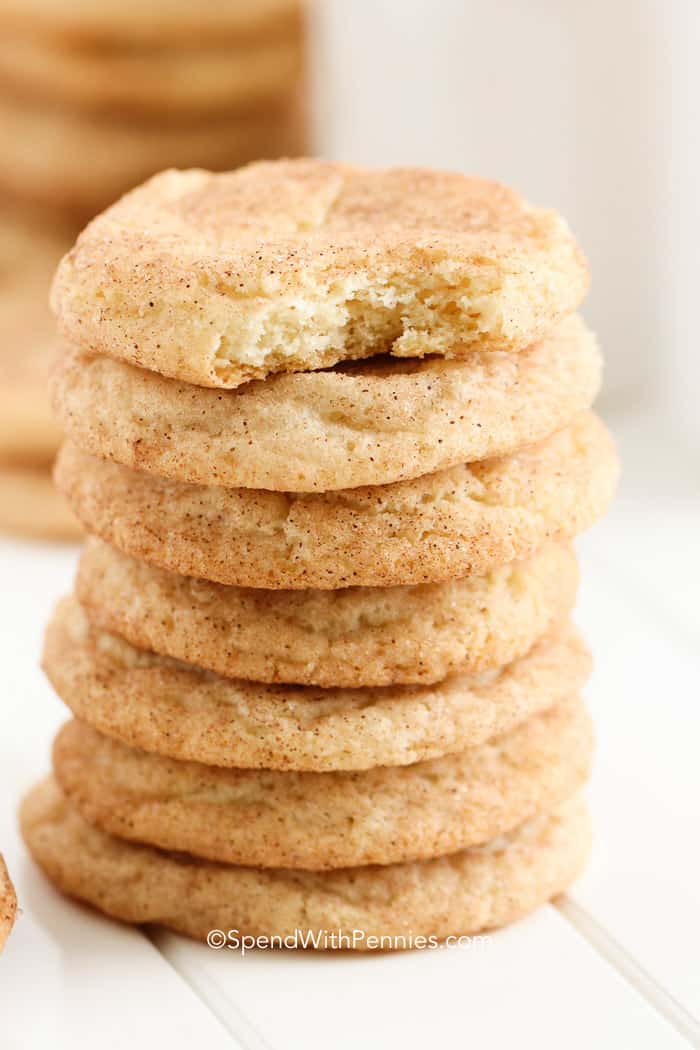
The Best Easy Snickerdoodles: Simple Recipe, Big Flavor!
Few cookies hold a place in our hearts quite like the snickerdoodle. It's a classic for a reason – a seemingly simple cookie rolled in cinnamon sugar, yet it delivers an irresistible burst of flavor and a uniquely soft, chewy texture that leaves you craving just one more. For those who dismiss it as "just a sugar cookie," prepare to have your mind (and taste buds) changed. A truly great snickerdoodle is a revelation, and the good news is, achieving that perfection doesn't have to be complicated. This guide is all about mastering the
easy snickerdoodle recipe – a method designed to bring you big flavor with minimal fuss.
Snickerdoodles are the ultimate crowd-pleaser. They’re comforting, nostalgic, and surprisingly addictive. While they share a foundational kinship with basic sugar cookies, what sets them apart is a subtle, tangy complexity and an inimitable pillowy-soft crumb. Many bakers, however, shy away from snickerdoodles due to a particular ingredient often associated with them: cream of tartar. But what if we told you that you could bake truly exceptional snickerdoodles without it, making this beloved treat more accessible than ever? Get ready to discover your new favorite
easy snickerdoodle recipe that promises soft, chewy perfection every single time.
The Magic Behind the Snickerdoodle: What Makes Them Unique?
At first glance, a snickerdoodle's ingredient list looks remarkably similar to that of a standard sugar cookie: butter, sugar, eggs, flour, and a pinch of salt. However, the traditional snickerdoodle possesses a secret weapon that elevates it beyond its humble origins:
cream of tartar. This white, powdery acidic ingredient plays a crucial, multifaceted role in crafting the iconic snickerdoodle experience.
Its contributions are threefold:
-
Distinctive Tangy Flavor: Cream of tartar imparts a signature subtle tang, a slightly acidic or lemony note that perfectly balances the sweetness of the cookie and the warmth of the cinnamon. Without it, the flavor profile would be undeniably different, leaning more towards a straightforward sugar cookie.
-
Unmatched Softness and Chewiness: One of cream of tartar's most vital functions is to prevent sugar crystals from forming during the baking process. This action is key to achieving that perfectly soft, tender interior that snickerdoodles are famous for, ensuring they stay delightfully chewy rather than becoming crunchy or crumbly.
-
Perfect Leavening: When paired with baking soda, cream of tartar acts as the acidic component, creating a chemical reaction that produces carbon dioxide. This gas helps the cookies rise, contributing to their light, airy texture and signature slightly cracked tops.
Historically, cream of tartar has been non-negotiable for authentic snickerdoodles. But here's the catch: many home bakers don't keep it readily on hand. For a cookie touted for its simplicity, the need for a less common ingredient can feel like an unnecessary hurdle, complicating what should be a straightforward and enjoyable baking experience. This realization has inspired many culinary enthusiasts to develop an
easy snickerdoodle recipe that delivers all the classic charm without the hunt for specialized ingredients.
Crafting the Perfect Easy Snickerdoodle Recipe (Without Cream of Tartar)
The beauty of baking lies in its adaptability and innovation. While cream of tartar is traditional, modern baking science allows us to achieve similar, equally delightful results with a few clever adjustments. The goal is to retain the unique texture and flavor profile of a snickerdoodle, even when the classic ingredient is absent. This is where an truly
Easy Snickerdoodles: Bake Soft Cookies Without Cream of Tartar recipe shines.
To make an exceptional snickerdoodle without cream of tartar, several key modifications are typically employed:
-
Baking Powder Takes the Lead: The most significant swap involves replacing baking soda with baking powder. Baking powder is essentially a pre-mixed combination of baking soda and an acid (often cream of tartar itself, among others), plus a starch. This means it already contains the necessary acidic component to activate the leavening, ensuring your cookies still rise beautifully and achieve that soft, airy interior.
-
Adjusted Ratios: Minor tweaks to the proportions of sugar, flour, and eggs are crucial. These adjustments help compensate for the absence of cream of tartar's sugar-crystallization-preventing properties, ensuring the cookies remain wonderfully soft and chewy. The right balance here maintains moisture and creates a tender crumb that melts in your mouth.
While these changes effectively replicate the textural and leavening aspects, it’s worth noting the subtle impact on flavor. The distinctive acidic tang that cream of tartar contributes may be slightly less pronounced. However, the resulting cookies are still incredibly delicious, often described as having a slightly milder, sweeter profile that is equally appealing. If you truly crave that iconic tang, a tiny dash of lemon juice (¼ to ½ teaspoon) can be added to the wet ingredients – just be mindful that this also adds a minuscule amount of liquid to the dough. Ultimately, most find that the convenience and delightful outcome of a cream of tartar-free
easy snickerdoodle recipe far outweigh any minor flavor differences.
Step-by-Step Guide to Baking Your Best Snickerdoodles
Mastering the art of baking a perfect snickerdoodle is not just about the ingredients; it's also about the method. Even with an
easy snickerdoodle recipe, following the right steps ensures consistent, delicious results every time. This approach, often referred to as the creaming method, is fundamental to many cookie recipes and is key to achieving that sought-after soft and chewy texture. For a comprehensive dive into perfecting your technique, you might want to check out our
Perfectly Soft & Chewy Snickerdoodle Recipe Guide.
Here’s how to bake your best snickerdoodles:
-
Start with Creaming Butter and Sugar: This is arguably the most crucial step. Begin by creaming together softened butter and granulated sugar until the mixture is visibly light, fluffy, and pale in color. This process incorporates air into the butter, which is vital for the cookies' texture and rise. Pro Tip: Ensure your butter is at true room temperature – soft enough to indent easily but not melted or greasy.
-
Incorporate the Egg: Beat in the egg (and any vanilla extract) until fully combined. Scrape down the sides of the bowl to ensure everything is evenly mixed.
-
Add Dry Ingredients: In a separate bowl, whisk together your flour, baking powder (and salt, if using). Gradually add the dry ingredients to the wet mixture, mixing on low speed just until no streaks of flour remain. Avoid overmixing! Overworking the gluten in the flour can lead to tough cookies.
-
Prepare the Cinnamon Sugar Coating: In a shallow dish or bowl, combine your granulated sugar and ground cinnamon. For an extra punch of flavor and that classic visual appeal, don't be shy with the cinnamon!
-
Scoop and Roll the Dough: Using a cookie scoop (2-3 tablespoons per cookie is a good standard size), scoop out uniform balls of dough. Roll each ball generously in the cinnamon sugar mixture, ensuring it's completely coated. You can even double-dip for an even richer cinnamon experience.
-
Arrange and Flatten: Place the coated dough balls on a baking sheet lined with parchment paper, leaving enough space between them for spreading. Gently flatten each ball slightly with the palm of your hand or the bottom of a glass. This helps achieve that classic snickerdoodle crackle and ensures even baking.
-
Bake to Perfection: Bake in a preheated oven until the edges are just set and lightly golden brown, but the centers still look soft and slightly underdone. Do not overbake! This is key to ensuring a soft, chewy interior. The cookies will continue to set as they cool.
-
Cooling: Let the cookies cool on the baking sheet for a few minutes before transferring them to a wire rack to cool completely. This prevents them from breaking and allows them to firm up properly.
Pro Tips for Unforgettable Snickerdoodles
Even with the simplest of recipes, a few insider tips can elevate your baking from good to absolutely glorious.
-
Room Temperature Reigns Supreme: For both butter and eggs, always bring them to room temperature before mixing. This allows them to emulsify properly, creating a smoother dough and a more consistent texture in your finished cookies.
-
Don't Overmix: As mentioned, overmixing develops gluten, which can make your cookies tough. Mix dry ingredients into wet only until just combined.
-
Generosity with Cinnamon Sugar: Don't be stingy! The cinnamon sugar coating is a defining feature of snickerdoodles. Roll them liberally for maximum flavor and visual appeal.
-
Chill the Dough (Optional, but Recommended): If you have time, chilling your dough for 30 minutes to an hour can prevent excessive spreading, resulting in thicker, chewier cookies.
-
Watch Your Oven, Not the Clock: Every oven is different. Pay attention to the visual cues – light golden edges, soft centers – rather than strictly adhering to baking times. Underbaked snickerdoodles are soft and chewy; overbaked ones are dry and crumbly.
-
Storage Savvy: Store cooled snickerdoodles in an airtight container at room temperature for up to 3-5 days. For longer storage, freeze baked cookies in a freezer-safe bag for up to 3 months.
There's no need to pass by snickerdoodles when faced with a cookie platter. With this accessible approach to an
easy snickerdoodle recipe, you can confidently bake a batch of these perfectly soft, chewy, and irresistibly flavorful cookies anytime the craving strikes. They prove that simple ingredients, when handled with a little care and clever technique, can indeed yield the biggest and most satisfying flavors. So go ahead, whip up a batch, and let the comforting aroma of cinnamon fill your home – you won't regret it!