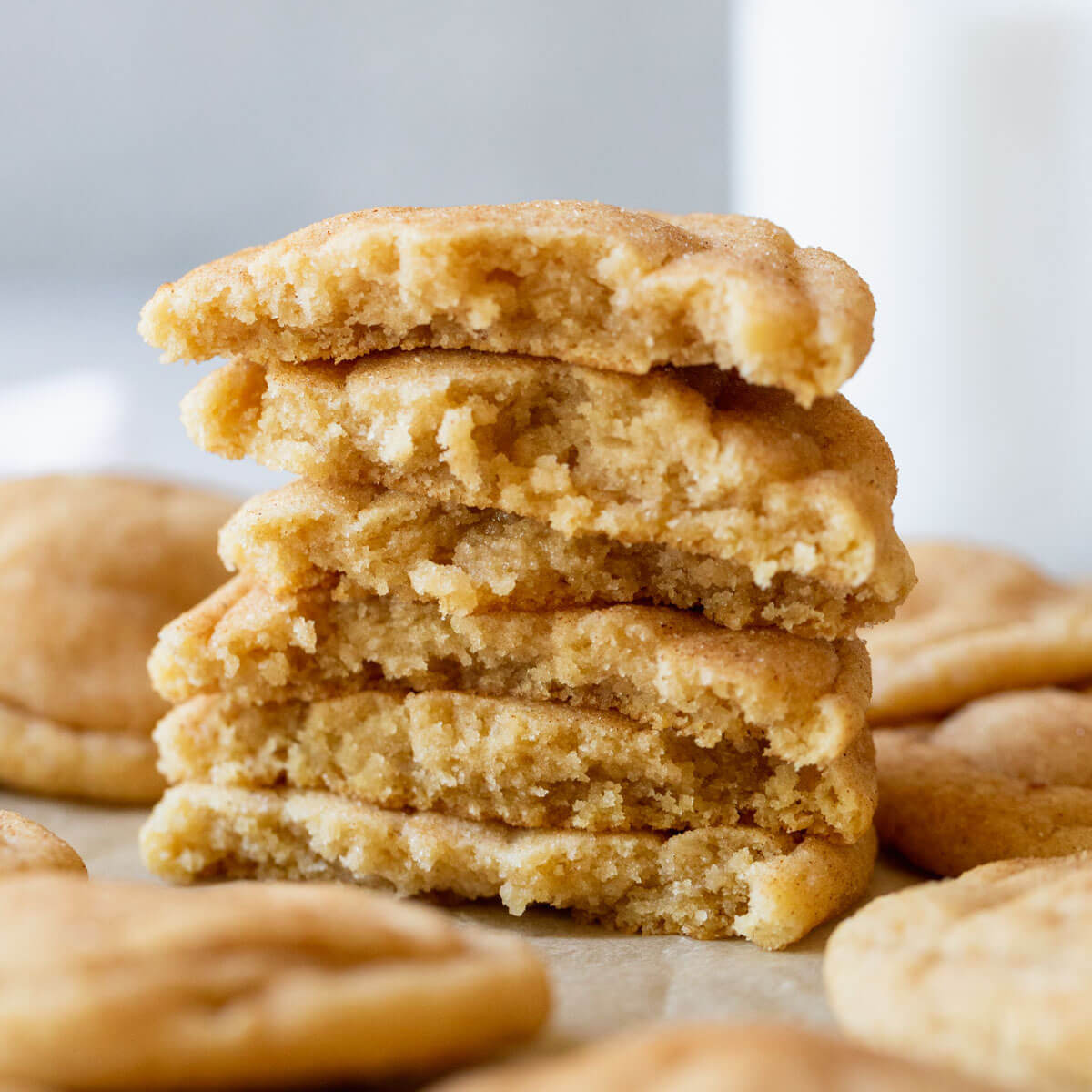
Perfectly Soft & Chewy Snickerdoodle Recipe Guide: Your Easiest Path to Cookie Bliss
If you’ve ever dismissed a snickerdoodle as "just a sugar cookie rolled in cinnamon sugar," prepare to have your mind, and your taste buds, completely changed. These seemingly simple cookies are, in fact, one of the most delightful and addictive treats you can bake. Their distinctive tang, pillowy soft interior, and irresistibly chewy edges, all enveloped in a sweet, spiced coating, make them a perennial favorite. But what if we told you that achieving this perfection could be even easier than you imagined, even for those who don't keep specialty baking ingredients on hand?
This comprehensive guide is dedicated to bringing you the ultimate
easy snickerdoodle recipe – one that guarantees those coveted soft and chewy results without any fuss. Say goodbye to dry, crumbly hockey pucks, and hello to a batch of cookies so good, they'll disappear almost as fast as you bake them!
Unpacking the Magic: What Makes a Snickerdoodle Truly Special?
At first glance, a snickerdoodle dough might seem very similar to a classic sugar cookie. It shares the familiar cast of characters: butter, sugar, egg, salt, and flour. However, the true distinguishing factor, the secret ingredient that traditionally sets snickerdoodles apart, is
cream of tartar.
This white, powdery substance, an acidic byproduct of winemaking, plays a triple role in the alchemy of a snickerdoodle:
1.
The Iconic Tang: Cream of tartar is responsible for that signature, slightly acidic, almost lemony flavor that defines a snickerdoodle. It's subtle but absolutely essential to their unique profile.
2.
Unmatched Softness: It acts as an anti-crystallizing agent, preventing the sugar in the dough from forming hard crystals. This is key to ensuring your cookies remain wonderfully soft and tender, rather than crunchy or brittle.
3.
Perfect Leavening: When paired with baking soda, cream of tartar acts as the necessary acid to activate it. This reaction produces carbon dioxide gas, which helps the cookies rise, contributing to their light, airy texture.
The challenge? While cream of tartar is a baker's secret weapon, it's not an ingredient everyone keeps stocked in their pantry. For many, the need for this specific item can feel like a barrier, undermining the very idea of a quick and
easy snickerdoodle recipe. But don't despair – our mission is to eliminate that hurdle without sacrificing an ounce of flavor or texture!
The Secret to Our Easy Snickerdoodle Recipe: No Cream of Tartar, All the Flavor!
The beauty of this particular approach lies in simplifying the process without compromising the outcome. We understand that an "easy" recipe shouldn't require a special trip to the store for a single ingredient. That's why we've perfected an
easy snickerdoodle recipe that delivers all the classic charm, sans cream of tartar.
Our innovative solution involves a few clever swaps:
*
Baking Powder Takes the Lead: Instead of relying on baking soda and cream of tartar to create the necessary leavening, we lean on baking powder. Baking powder is a complete leavening agent, containing both an alkaline (baking soda) and an acid, meaning it functions perfectly well on its own to help your cookies rise beautifully.
*
Balanced Ratios for Optimum Softness: To ensure that the cookies remain incredibly soft and chewy even without cream of tartar's anti-crystallizing properties, we've carefully adjusted the ratios of sugar, flour, and egg. This meticulous balance ensures the dough produces cookies that are moist, tender, and resist drying out.
While baking powder effectively handles the leavening, it doesn't bring quite the same acidic tang that cream of tartar does. However, this isn't a deal-breaker! Many find the flavor profile absolutely delightful as is, focusing on the rich butter and warm cinnamon notes. If you still crave that distinct acidic nuance, you have options: a tiny splash of fresh lemon juice can be added to the dough, or you can simply embrace the slightly different, yet equally delicious, flavor profile this simplified recipe offers. The primary goal is a truly easy snickerdoodle recipe that anyone can whip up without hesitation.
Mastering the Perfect Snickerdoodle Texture & Bursting Flavor
Beyond the ingredient swaps, there are a few fundamental techniques that will elevate your easy snickerdoodles from good to absolutely unforgettable. These tips are crucial for achieving that perfect soft, chewy texture and ensuring every bite is bursting with flavor:
*
Room Temperature Ingredients are Key: Start with butter and egg at true room temperature. This allows them to cream together more effectively, incorporating air that contributes to a lighter, softer cookie. It also ensures they emulsify better with the other ingredients, leading to a smoother, more uniform dough.
*
Creaming Butter and Sugar Properly: Don't rush this step! Beat the butter and sugar together until they are truly light, fluffy, and pale in color. This process, known as creaming, whips air into the mixture, which is vital for the cookies’ texture and rise.
*
Don't Overmix the Dry Ingredients: Once you add the flour mixture, mix *just* until the dry streaks disappear. Overmixing develops the gluten in the flour, which can lead to tough, dense cookies – the opposite of the soft, chewy texture we're aiming for!
*
The Double-Dip Cinnamon Sugar: This is where the magic happens for flavor! After shaping your dough balls, roll them generously in the cinnamon sugar mixture. For an extra punch of flavor and that beautiful crackled appearance, consider giving them a second, lighter roll right before baking. Use good quality cinnamon – it makes a noticeable difference.
*
Resist Overbaking: Snickerdoodles should be baked until their edges are lightly golden and set, but their centers still look slightly soft, or even a little underdone. They will continue to bake and set as they cool on the baking sheet and then on a wire rack. Overbaking is the quickest way to end up with dry, hard cookies.
*
Cooling Patience: Allow the cookies to cool on the baking sheet for a few minutes before transferring them to a wire rack to cool completely. This helps them firm up and develop their ultimate chewy texture.
Your Step-by-Step Guide to This Easy Snickerdoodle Recipe
Ready to bake? This streamlined method makes whipping up a batch of these sensational cookies a breeze.
1.
Prepare Your Cinnamon Sugar Coating: In a shallow bowl, whisk together granulated sugar and ground cinnamon. Set aside.
2.
Cream Butter and Sugar: In a large mixing bowl, using an electric mixer, beat the softened unsalted butter and granulated sugar together on medium-high speed. Continue beating for 2-3 minutes until the mixture is visibly light, fluffy, and pale. Scrape down the sides of the bowl as needed.
3.
Add Egg: Beat in the room temperature egg until fully incorporated.
4.
Combine Dry Ingredients: In a separate bowl, whisk together the all-purpose flour, baking powder, salt, and a pinch of ground cinnamon (optional, for extra warmth).
5.
Incorporate Dry into Wet: Gradually add the dry ingredient mixture to the wet ingredients, mixing on low speed until just combined. The dough will be quite thick. Be careful not to overmix.
6.
Scoop and Roll: Scoop the dough into generous balls. We recommend using about 2-3 tablespoons of dough per cookie for a good-sized treat. Roll each ball generously in the prepared cinnamon sugar mixture, ensuring it's fully coated.
7.
Flatten and Bake: Place the coated dough balls onto prepared baking sheets (lined with parchment paper or silicone mats), leaving enough space between them for spreading. Gently flatten each cookie dough ball slightly with the palm of your hand or the bottom of a glass.
8.
Bake to Perfection: Bake in a preheated oven (typically 375°F / 190°C) for 8-10 minutes, or until the edges are lightly golden and the centers appear just set but still soft. They may look slightly underdone, but this is the secret to their chewiness.
9.
Cool and Enjoy: Let the cookies cool on the baking sheet for 5 minutes before transferring them to a wire rack to cool completely. This allows them to finish setting and develop their perfect soft and chewy texture.
These are absolutely the best and easiest snickerdoodles you can make, proving that a simple cookie can truly be a showstopper.
Conclusion: Embrace the Simplicity, Savor the Flavor
Snickerdoodles hold a special place in the hearts of cookie lovers, and for good reason. Their unique balance of sweet, spiced, and tangy flavors, coupled with an irresistibly soft and chewy texture, makes them a standout. With this
easy snickerdoodle recipe, you no longer need to worry about tracking down cream of tartar or sacrificing quality. You can confidently bake a batch of homemade snickerdoodles that are guaranteed to be a hit with family and friends. So go ahead, preheat that oven, gather your simple ingredients, and prepare to indulge in the pure joy of perfectly soft and chewy snickerdoodles!